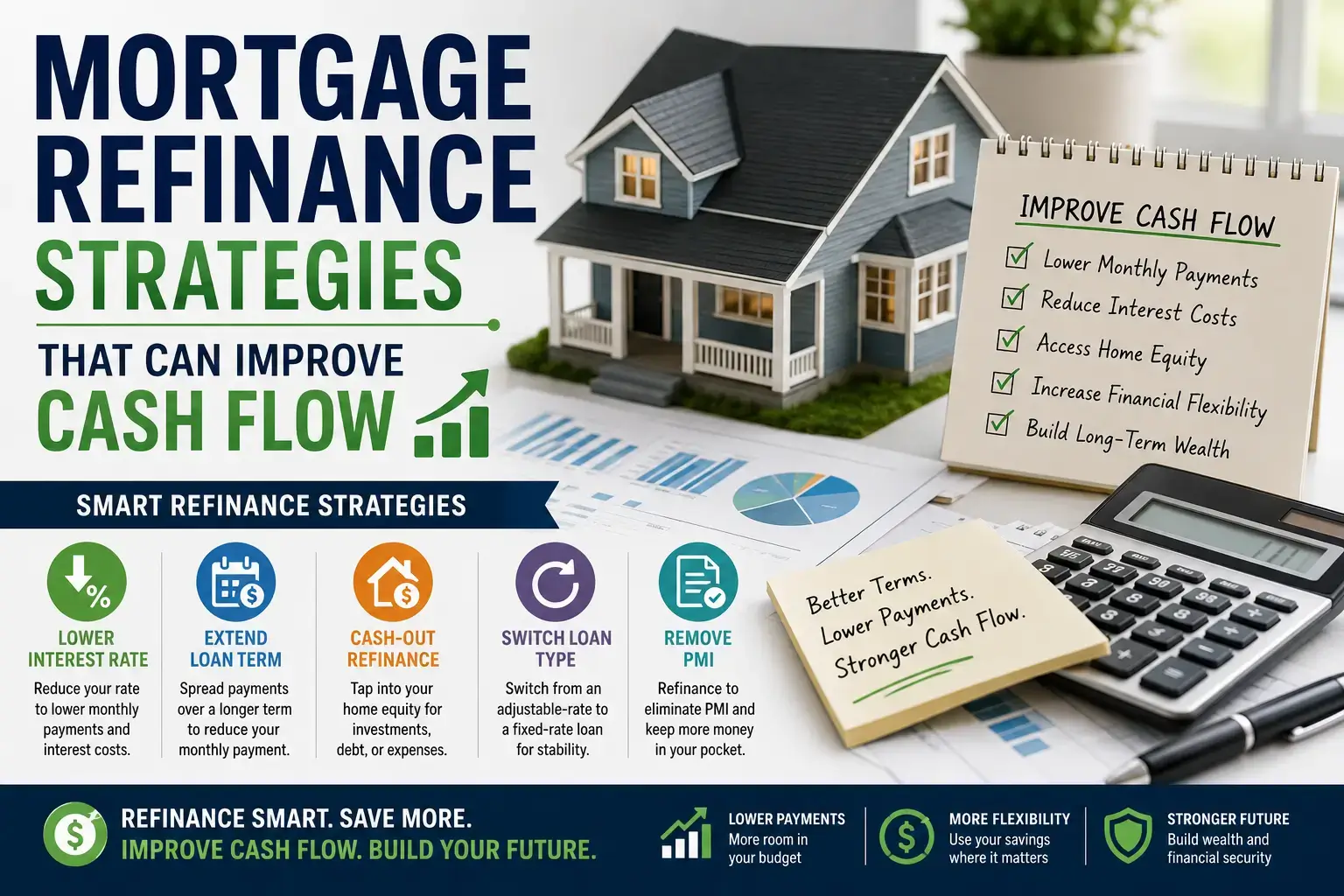
Fixed vs Variable Mortgage Rates for Real Estate Investors
Fixed vs Variable Mortgage Rates for Real Estate Investors
Mortgage financing is one of the most important factors influencing the profitability of real estate investments. Whether purchasing a rental property, multifamily building, vacation rental, commercial asset, or long-term buy-and-hold investment, the type of mortgage rate selected can significantly impact cash flow, risk exposure, refinancing opportunities, portfolio growth, and overall return on investment.
Among the most important financing decisions investors face is choosing between fixed mortgage rates and variable mortgage rates. While both options provide access to capital, they function very differently and can produce dramatically different outcomes depending on market conditions, interest rate cycles, investment goals, and risk tolerance.
Many successful real estate investors spend substantial time analyzing financing structures because even a small difference in borrowing costs can affect profitability over the life of a mortgage. Understanding how fixed and variable rate mortgages work is essential for making informed investment decisions and building a resilient real estate portfolio.
This comprehensive guide explores the differences between fixed and variable mortgage rates, their advantages and disadvantages, how they affect real estate investments, and which financing strategy may be best suited for different types of investors.
Understanding Mortgage Interest Rates
A mortgage interest rate represents the cost of borrowing money from a lender to purchase real estate. The rate determines how much interest is paid over the life of the loan and directly affects monthly mortgage payments.
Mortgage rates generally fall into two primary categories:
- Fixed-rate mortgages
- Variable-rate mortgages
Although both serve the same purpose, their structure and long-term impact differ significantly.
What Is a Fixed Mortgage Rate?
A fixed mortgage rate remains unchanged throughout the life of the loan regardless of market fluctuations or changes in economic conditions.
For example, if an investor secures a 30-year mortgage at a fixed interest rate, the rate remains constant until the loan is repaid or refinanced.
Key Characteristics of Fixed-Rate Mortgages
- Stable monthly payments
- Predictable budgeting
- Protection from rising interest rates
- Long-term financial certainty
- Simplified cash flow forecasting
Because payments remain consistent, fixed-rate financing is particularly attractive for long-term rental property investors.
What Is a Variable Mortgage Rate?
A variable mortgage rate, often called an adjustable-rate mortgage (ARM), fluctuates over time based on changes in benchmark interest rates.
Most variable-rate mortgages begin with an introductory fixed-rate period followed by periodic adjustments.
Common Variable Rate Structures
- 3/1 ARM
- 5/1 ARM
- 7/1 ARM
- 10/1 ARM
The first number represents the initial fixed period, while the second number indicates how often the rate adjusts afterward.
Primary Differences Between Fixed and Variable Mortgage Rates
| Feature | Fixed Mortgage | Variable Mortgage |
|---|---|---|
| Interest Rate Stability | Constant | Changes Over Time |
| Monthly Payments | Predictable | Variable |
| Interest Rate Risk | Low | Higher |
| Initial Interest Rate | Often Higher | Often Lower |
| Long-Term Predictability | High | Lower |
| Refinancing Dependence | Lower | Higher |
How Fixed Mortgage Rates Benefit Real Estate Investors
Predictable Cash Flow
Cash flow is one of the most important metrics in real estate investing.
Because mortgage payments remain stable, investors can forecast future income and expenses more accurately.
Protection Against Rising Rates
Fixed-rate mortgages protect investors from future interest rate increases.
If market rates rise substantially, borrowers continue paying their original rate.
Long-Term Wealth Building
Long-term buy-and-hold investors often prefer fixed-rate financing because it supports stable cash flow over decades.
Reduced Financial Stress
Payment certainty simplifies budgeting and reduces exposure to economic volatility.
Advantages of Variable Mortgage Rates
Lower Initial Rates
Variable-rate mortgages frequently offer lower introductory interest rates compared to fixed-rate loans.
This can create immediate savings and improve short-term cash flow.
Greater Purchasing Power
Lower initial payments may allow investors to qualify for larger loans or acquire additional properties.
Potential Savings in Declining Rate Environments
If benchmark rates fall, borrowers may benefit from lower mortgage payments without refinancing.
Ideal for Short-Term Strategies
Investors planning to sell, renovate, or refinance within a few years may benefit from lower initial financing costs.
Risks Associated with Variable Mortgage Rates
Although attractive initially, variable-rate mortgages introduce additional uncertainty.
Payment Increases
Mortgage payments can rise significantly when rates adjust upward.
Cash Flow Compression
Higher debt service obligations can reduce property profitability.
Refinancing Dependence
Many investors rely on refinancing before rate adjustments occur. However, market conditions may not always support favorable refinancing opportunities.
Budgeting Challenges
Variable payments make long-term financial planning more complex.
Impact on Rental Property Cash Flow
Mortgage structure directly affects rental property performance.
| Scenario | Fixed Rate Loan | Variable Rate Loan |
|---|---|---|
| Rate Stability | High | Low |
| Cash Flow Predictability | High | Moderate |
| Risk During Rate Increases | Minimal | Higher |
| Potential Savings | Moderate | Potentially Higher |
Investors focused on stable passive income often prioritize predictability over short-term savings.
Which Mortgage Type Is Better During Rising Interest Rate Cycles?
When rates are expected to rise, fixed-rate financing generally becomes more attractive.
Benefits include:
- Protection from payment increases
- Stable debt service costs
- Improved long-term planning
- Reduced refinancing pressure
Many professional investors lock fixed rates when economic forecasts indicate sustained inflation or tightening monetary policy.
Which Mortgage Type Is Better During Falling Rate Cycles?
When interest rates are declining, variable-rate mortgages may offer advantages.
Potential benefits include:
- Lower borrowing costs
- Reduced monthly payments
- Improved short-term cash flow
- Enhanced acquisition flexibility
However, investors should still maintain contingency plans for future rate volatility.
Fixed vs Variable Rates for Different Investment Strategies
Buy-and-Hold Investors
Fixed-rate financing is often preferred because long-term ownership benefits from payment stability and predictable cash flow.
House Flippers
Variable-rate financing may be attractive because projects are typically completed before significant rate adjustments occur.
BRRRR Investors
Both structures may be appropriate depending on acquisition timelines and refinancing plans.
Commercial Real Estate Investors
Commercial investors often balance fixed and variable financing across portfolios to manage risk.
Impact on Property Valuation
Mortgage rates indirectly affect property values.
Lower rates generally:
- Increase affordability
- Boost buyer demand
- Support higher valuations
Higher rates often:
- Reduce purchasing power
- Slow transaction activity
- Pressure property values
Investors should consider broader market implications when evaluating financing options.
Refinancing Opportunities
Both fixed and variable mortgages can be refinanced.
Common reasons include:
- Lower interest rates
- Improved cash flow
- Accessing equity
- Debt restructuring
- Portfolio expansion
Strategic refinancing remains a key component of long-term real estate wealth building.
Commercial Property Considerations
Commercial mortgages often offer both fixed and variable structures.
Factors influencing commercial financing decisions include:
- Tenant stability
- Lease duration
- Property type
- Market conditions
- Investment objectives
Commercial investors frequently analyze interest rate exposure across entire portfolios rather than individual properties.
Risk Management Strategies
Regardless of mortgage type, investors should implement risk management measures.
- Maintain cash reserves
- Stress-test cash flow assumptions
- Monitor market trends
- Limit excessive leverage
- Diversify property holdings
- Evaluate refinancing opportunities regularly
These practices improve resilience during changing economic conditions.
Common Investor Mistakes
- Selecting financing solely based on initial rates
- Ignoring long-term borrowing costs
- Overestimating future appreciation
- Failing to model rate increase scenarios
- Neglecting refinancing costs
- Using excessive leverage
- Underestimating vacancy risks
Effective financing decisions require comprehensive analysis rather than focusing only on short-term savings.
Emerging Mortgage Trends
The mortgage industry continues evolving through technology and innovation.
- AI-driven underwriting
- Digital mortgage approvals
- Automated property valuations
- Alternative investor financing programs
- Flexible portfolio lending products
- Enhanced refinancing solutions
These developments provide investors with greater financing flexibility than ever before.
How Professional Investors Choose
Experienced investors rarely view financing decisions in isolation. Instead, they evaluate mortgage structures within the context of broader portfolio objectives.
Considerations often include:
- Investment time horizon
- Expected holding period
- Market outlook
- Risk tolerance
- Cash flow goals
- Portfolio diversification
- Future refinancing plans
The optimal mortgage structure depends on both financial objectives and market conditions.
Conclusion
The choice between fixed and variable mortgage rates can significantly influence real estate investment performance, cash flow stability, financing costs, and long-term wealth creation. Fixed-rate mortgages offer predictability, stability, and protection against rising rates, making them attractive for long-term investors. Variable-rate mortgages may provide lower initial costs and increased flexibility but introduce greater uncertainty and interest rate risk.
Successful real estate investors evaluate financing decisions strategically, considering market conditions, investment timelines, portfolio objectives, and risk tolerance. By understanding the strengths and limitations of each mortgage structure, investors can make informed decisions that support sustainable portfolio growth and maximize long-term returns.