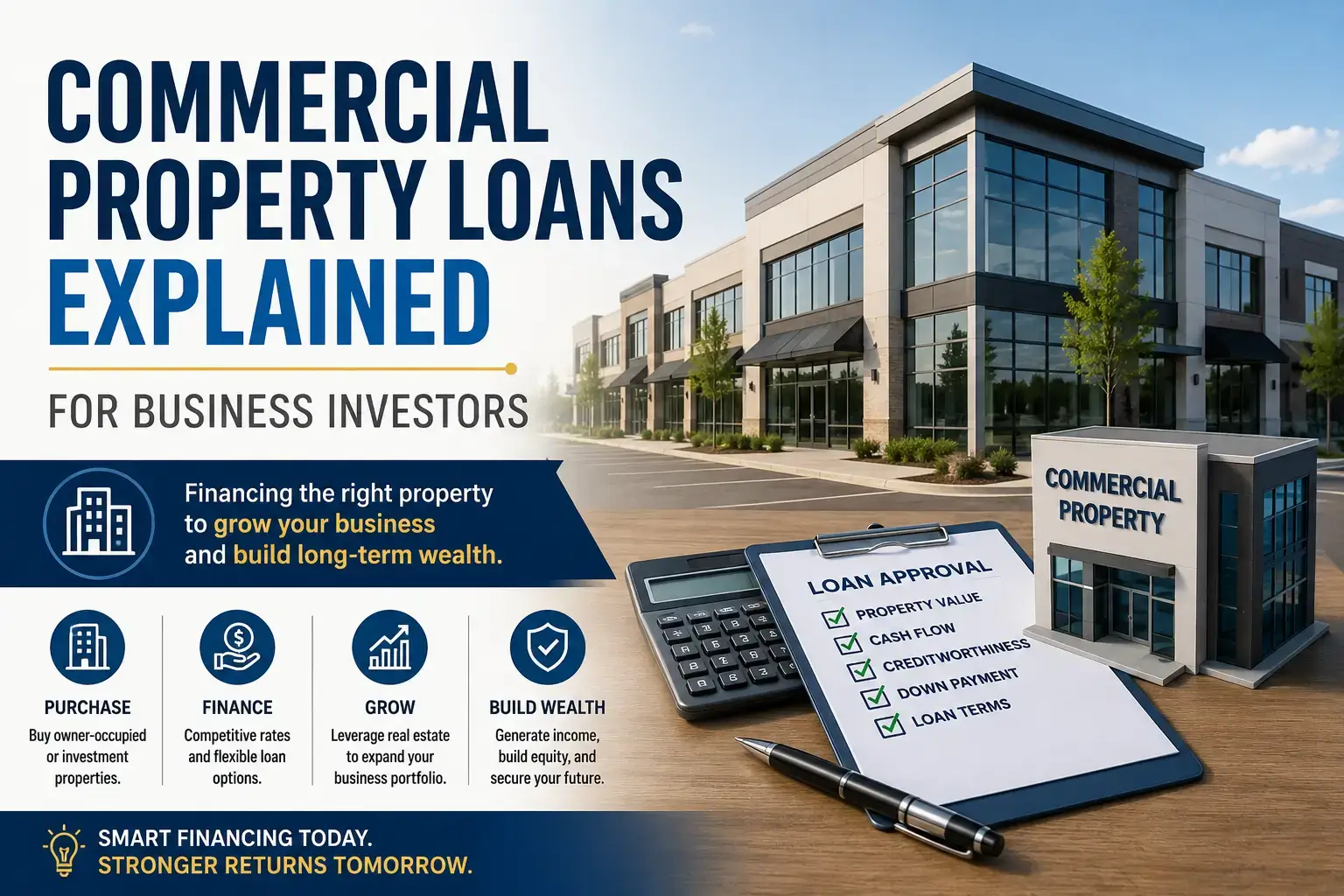
Office Space Demand and the Future of Workplace Real Estate
Office Space Demand and the Future of Workplace Real Estate
Office space demand has become one of the most closely watched indicators in commercial real estate. Over the past several years, workplace transformation, digital collaboration tools, hybrid work arrangements, corporate restructuring, and evolving employee expectations have fundamentally changed how organizations use office properties.
Despite predictions that traditional offices would become obsolete, the reality has proven more complex. Businesses continue to require physical workplaces for collaboration, innovation, culture-building, client meetings, and operational efficiency. However, the type of office space companies demand is evolving rapidly.
For commercial real estate investors, property developers, institutional funds, REITs, lenders, and corporate occupiers, understanding office space demand trends is critical for making informed investment and financing decisions. The future of workplace real estate will likely be defined by flexibility, technology integration, sustainability, employee experience, and premium asset quality.
Understanding Modern Office Space Demand
Office demand refers to the amount of commercial office space businesses require to conduct operations. Historically, demand was primarily influenced by employment growth, economic expansion, and business formation. Today, demand is shaped by a broader set of factors.
- Hybrid work adoption
- Technology infrastructure requirements
- Employee experience initiatives
- Corporate real estate optimization
- Sustainability goals
- Flexible workspace strategies
- Talent attraction and retention efforts
- Business growth expectations
As organizations redesign workplace strategies, office demand is becoming more qualitative than purely quantitative.
How Hybrid Work Changed Commercial Office Markets
Hybrid work has become one of the most significant drivers of office market transformation. Many companies now combine remote work with in-person collaboration, reducing the need for assigned desks while increasing demand for flexible collaboration areas.
| Traditional Office Model | Hybrid Workplace Model |
|---|---|
| Assigned workstations | Flexible seating arrangements |
| Large cubicle layouts | Collaboration-focused spaces |
| Daily attendance | Scheduled office utilization |
| Long-term space commitments | Flexible occupancy planning |
| Limited technology integration | Advanced workplace technology |
The result is a shift toward higher-quality office environments that support collaboration rather than individual task-based work.
The Flight to Quality Trend
One of the strongest trends shaping office demand is the flight to quality. While some older office properties struggle with occupancy challenges, premium Class A buildings continue attracting tenants.
Companies increasingly prioritize:
- Prime business district locations
- Modern building systems
- Energy efficiency certifications
- Employee wellness amenities
- Advanced security systems
- Flexible floor plans
- Technology-enabled workspaces
- Public transportation accessibility
High-quality office assets frequently outperform lower-grade properties in occupancy, rental growth, and investment performance.
Smart Buildings and Technology Integration
Technology has become a central component of modern workplace real estate.
Today's office buildings increasingly incorporate:
- IoT sensors
- Artificial intelligence systems
- Automated climate controls
- Digital visitor management
- Touchless building access
- Occupancy monitoring tools
- Energy management systems
- Predictive maintenance platforms
Smart building capabilities improve operational efficiency while enhancing tenant satisfaction and reducing long-term operating costs.
The Rise of Flexible Workspaces
Flexible office solutions continue expanding globally. Businesses increasingly seek adaptable space arrangements that align with changing workforce needs.
Flexible workspace options include:
- Coworking facilities
- Managed office suites
- Enterprise flex spaces
- Short-term office leases
- Satellite office locations
- Project-based workspace solutions
This trend creates opportunities for investors capable of adapting traditional office assets to modern workplace requirements.
Employee Experience as a Demand Driver
Modern workplace design increasingly focuses on employee experience.
Organizations recognize that workplace quality influences:
- Talent acquisition
- Employee retention
- Productivity levels
- Collaboration effectiveness
- Corporate culture development
- Workplace satisfaction
As a result, office environments increasingly feature hospitality-inspired amenities and wellness-focused designs.
Office Amenities Driving Tenant Decisions
| Amenity | Business Value |
|---|---|
| Fitness Centers | Employee wellness support |
| Conference Facilities | Collaboration enhancement |
| Outdoor Spaces | Employee satisfaction |
| Dining Options | Convenience and engagement |
| Technology Infrastructure | Operational efficiency |
| Wellness Rooms | Workplace comfort |
| Transit Access | Commuter convenience |
Premium amenities increasingly influence leasing decisions among corporate tenants.
Sustainability and ESG Requirements
Sustainability has become a major factor affecting office demand and property valuations.
Many corporations now prioritize office buildings that support ESG objectives.
- LEED-certified buildings
- Net-zero initiatives
- Renewable energy systems
- Energy-efficient operations
- Water conservation programs
- Indoor air quality improvements
Investors increasingly view sustainable office assets as more resilient long-term investments.
Urban Business District Evolution
Major business districts worldwide are adapting to changing workplace dynamics.
Modern urban office districts increasingly emphasize:
- Mixed-use development
- Walkability
- Transit-oriented planning
- Residential integration
- Lifestyle amenities
- Public gathering spaces
The goal is to create vibrant environments that attract both employers and employees.
Office Leasing Trends
Office leasing strategies continue evolving in response to uncertainty and workplace flexibility requirements.
| Leasing Trend | Market Impact |
|---|---|
| Shorter Lease Terms | Greater flexibility |
| Expansion Rights | Future growth accommodation |
| Flexible Space Allocations | Improved utilization |
| Hybrid Work Clauses | Occupancy optimization |
| Amenity Packages | Competitive differentiation |
Landlords increasingly offer creative leasing structures to attract and retain tenants.
Commercial Property Financing and Office Assets
Financing conditions play a critical role in office real estate investment performance.
Investors closely monitor:
- Commercial mortgage rates
- Interest rate movements
- Debt service coverage requirements
- Loan-to-value ratios
- Refinancing opportunities
- Capital market liquidity
Access to financing significantly influences acquisition activity and development pipelines.
Institutional Investment in Office Properties
Large institutional investors continue allocating capital to office real estate despite market challenges.
Key investor groups include:
- Pension funds
- Insurance companies
- Sovereign wealth funds
- Private equity firms
- REITs
- Asset management companies
These investors increasingly focus on premium assets in major economic centers.
Regional Office Market Variations
Office demand trends vary significantly across regions.
Markets experiencing strong population growth, technology sector expansion, and infrastructure investment often demonstrate stronger office fundamentals.
Global gateway cities continue attracting substantial corporate investment due to:
- Skilled labor availability
- International connectivity
- Business ecosystem strength
- Capital market access
- Innovation clusters
The Growth of Secondary Markets
Secondary business districts have gained attention as companies seek cost efficiencies and workforce flexibility.
Benefits include:
- Lower occupancy costs
- Reduced commuting times
- Expanding talent pools
- Improved quality of life
- Development incentives
These markets may offer attractive opportunities for commercial real estate investors.
Challenges Facing Office Real Estate
Despite long-term opportunities, office markets face several challenges.
- Remote work adoption
- Economic uncertainty
- Interest rate volatility
- Rising operating expenses
- Building obsolescence
- Changing tenant expectations
Successful investors must continuously adapt to these evolving conditions.
Office Conversion Opportunities
In some markets, underutilized office properties are being converted into alternative uses.
Common conversion projects include:
- Residential housing
- Mixed-use developments
- Medical facilities
- Educational campuses
- Hospitality projects
Adaptive reuse strategies can unlock value while addressing changing market demand.
The Future Workplace Model
The future office is unlikely to resemble traditional workplace models. Instead, organizations are expected to adopt highly flexible environments that support collaboration, innovation, and employee engagement.
Future workplace characteristics may include:
- Hybrid-first design principles
- Technology-enabled collaboration
- Flexible occupancy planning
- Experience-driven environments
- Sustainable operations
- Data-driven space management
Commercial real estate owners who embrace these trends may benefit from stronger tenant demand and long-term asset performance.
Investment Outlook for Office Real Estate
While office real estate faces ongoing transformation, the sector remains a critical component of the global economy. Businesses continue requiring physical workplaces for collaboration, leadership development, client engagement, innovation, and culture-building.
Investors should focus on assets that align with future workplace requirements, including premium locations, flexible designs, sustainability features, and advanced technology infrastructure.
Properties capable of supporting evolving workforce needs are likely to remain competitive in the years ahead.
Conclusion
Office space demand is evolving rather than disappearing. The future of workplace real estate will be shaped by hybrid work models, technology integration, employee experience priorities, sustainability initiatives, and changing corporate real estate strategies.
For investors, developers, lenders, and property owners, understanding these trends is essential for navigating the next generation of commercial real estate opportunities. High-quality office buildings that deliver flexibility, efficiency, wellness, and connectivity are expected to remain valuable assets within global business districts and investment portfolios for decades to come.