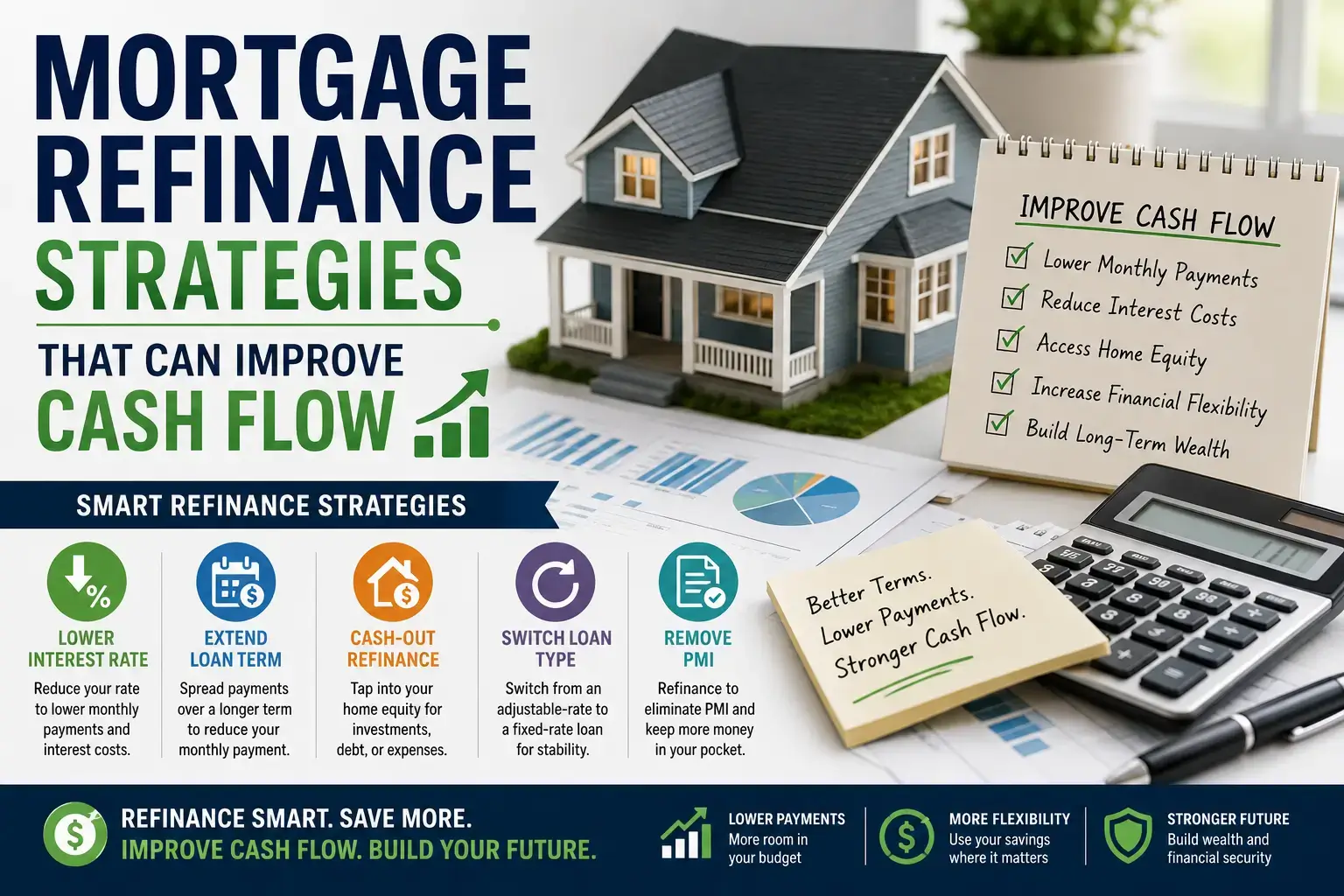
Real Estate Investment Strategies for Different Market Cycles
Real Estate Investment Strategies for Different Market Cycles
One of the biggest mistakes made by real estate investors is assuming that the same investment strategy works equally well in every market environment. In reality, successful investors understand that real estate markets move through recurring cycles, and each phase creates unique risks and opportunities.
Whether investing in residential rental properties, multifamily apartments, industrial facilities, commercial office buildings, self-storage assets, or mixed-use developments, understanding market cycles allows investors to make smarter decisions regarding acquisitions, financing, portfolio allocation, risk management, and exit timing.
Professional investors, institutional funds, private equity firms, and commercial real estate operators constantly adjust their strategies based on market conditions. During expansion periods they focus on growth and appreciation. During corrections they prioritize risk management. During recessions they seek distressed opportunities. During recovery phases they position themselves for future expansion.
This comprehensive guide explores how real estate investment strategies evolve throughout different market cycles and how investors can position themselves for long-term success regardless of economic conditions.
Understanding Real Estate Market Cycles
Real estate markets rarely move in straight lines. Instead, they typically progress through four major phases:
- Expansion
- Correction
- Recession
- Recovery
Each phase affects property values, financing availability, investor sentiment, rental demand, occupancy rates, capitalization rates, and overall investment returns.
| Market Phase | Economic Conditions | Investor Focus |
|---|---|---|
| Expansion | Strong Growth | Acquisitions & Appreciation |
| Correction | Slowing Growth | Risk Management |
| Recession | Economic Contraction | Capital Preservation |
| Recovery | Improving Fundamentals | Strategic Positioning |
Why Market Cycles Matter for Investors
Market cycles influence nearly every aspect of property investing.
- Property values
- Rental demand
- Vacancy rates
- Mortgage interest rates
- Commercial lending standards
- Construction activity
- Investor confidence
- Capital availability
Investors who recognize cycle changes early can often outperform those who rely solely on historical trends.
The Expansion Phase
The expansion phase is characterized by strong economic growth, increasing employment, rising property demand, expanding credit availability, and improving consumer confidence.
Key Characteristics
- Rising property prices
- Increasing rental demand
- Higher occupancy rates
- Strong economic growth
- Accessible financing
- Investor optimism
During expansion, investors often prioritize growth-oriented strategies.
Best Investment Strategies During Expansion
1. Buy-and-Hold Investing
Buy-and-hold strategies perform particularly well during expansion cycles because investors benefit from both appreciation and growing rental income.
Property types often favored include:
- Single-family rentals
- Multifamily apartments
- Industrial properties
- Suburban residential developments
2. Value-Add Investments
Expansion periods often support renovation and repositioning strategies because strong demand allows investors to increase rents after improvements.
3. Strategic Leverage
When financing is widely available, investors may utilize mortgage financing to acquire additional assets while preserving capital.
Financing Strategies During Expansion
| Financing Approach | Primary Goal |
|---|---|
| Fixed-Rate Loans | Long-Term Stability |
| Commercial Mortgages | Portfolio Growth |
| Portfolio Loans | Asset Accumulation |
| Cash-Out Refinancing | Capital Recycling |
Many investors use refinancing to access equity for additional acquisitions during expansionary periods.
The Correction Phase
Eventually growth begins slowing. Property appreciation moderates, financing conditions tighten, and investor optimism becomes more cautious.
Common Indicators
- Declining transaction volume
- Slower appreciation
- Higher inventory levels
- Rising cap rates
- Reduced buyer activity
- More conservative lending
Corrections do not necessarily indicate severe downturns but often signal changing market conditions.
Investment Strategies During Correction Periods
1. Focus on Cash Flow
During corrections, investors frequently shift attention from appreciation to income generation.
Assets producing strong cash flow become increasingly valuable.
2. Strengthen Liquidity
Maintaining cash reserves becomes more important as economic uncertainty increases.
3. Reduce Over-Leverage
Investors often avoid excessive debt exposure during correction periods.
| Strategy | Benefit |
|---|---|
| Increase Reserves | Improved Stability |
| Focus on Income Assets | Consistent Cash Flow |
| Reduce Risk Exposure | Capital Preservation |
| Evaluate Debt Structure | Improved Flexibility |
The Recession Phase
Recessionary periods often create the greatest challenges and opportunities for investors.
Economic activity contracts, unemployment may rise, consumer spending declines, and financing becomes more restrictive.
Typical Recession Characteristics
- Declining property values
- Reduced transaction activity
- Higher vacancies
- Financing challenges
- Investor uncertainty
- Distressed asset sales
Investment Strategies During Recessions
1. Capital Preservation
Protecting existing assets becomes a top priority.
Investors often focus on:
- Debt management
- Liquidity reserves
- Tenant retention
- Expense control
2. Acquire Distressed Assets
Recessions frequently create opportunities to purchase quality assets at discounted valuations.
Professional investors often deploy capital aggressively when others retreat.
3. Prioritize Essential Property Types
Certain sectors historically demonstrate stronger resilience.
- Multifamily housing
- Affordable housing
- Industrial logistics
- Medical office properties
- Self-storage facilities
Risk Management During Recession
| Risk Factor | Recommended Action |
|---|---|
| Vacancy Risk | Strengthen Tenant Retention |
| Interest Rate Volatility | Consider Fixed Financing |
| Cash Flow Pressure | Increase Reserves |
| Market Uncertainty | Focus on Fundamentals |
The Recovery Phase
Recovery begins when economic conditions improve and market fundamentals stabilize.
Investors who recognize recovery early often position themselves ahead of the next expansion cycle.
Signs of Recovery
- Employment growth
- Rising occupancy rates
- Improving consumer confidence
- Increasing transaction volume
- Greater lending activity
- Stabilizing property values
Investment Strategies During Recovery
1. Strategic Acquisitions
Recovery periods often provide attractive entry points before property values fully rebound.
2. Reposition Existing Assets
Investors may renovate properties, improve operations, and prepare for rising demand.
3. Expand Portfolio Exposure
Many investors begin increasing acquisition activity during recovery phases.
| Recovery Strategy | Expected Benefit |
|---|---|
| Acquire Undervalued Assets | Future Appreciation |
| Improve Operations | Higher NOI |
| Expand Portfolio | Growth Opportunities |
| Secure Financing | Position for Expansion |
Asset Classes and Market Cycles
Different property sectors respond differently throughout market cycles.
| Property Type | Expansion | Correction | Recession | Recovery |
|---|---|---|---|---|
| Multifamily | Strong | Stable | Resilient | Strong |
| Industrial | Very Strong | Stable | Moderate | Strong |
| Retail | Moderate | Variable | Weak | Moderate |
| Office | Strong | Moderate | Weak | Improving |
| Self-Storage | Stable | Strong | Resilient | Strong |
How Interest Rates Influence Market Cycles
Interest rates significantly affect real estate performance throughout every phase.
Higher rates generally:
- Increase borrowing costs
- Reduce affordability
- Lower acquisition activity
- Compress investor demand
Lower rates often stimulate property demand and investment activity.
Portfolio Diversification Across Cycles
Diversification remains one of the most effective risk management tools available to investors.
A diversified portfolio may include:
- Residential properties
- Multifamily assets
- Industrial facilities
- Commercial properties
- REIT investments
- Private real estate funds
Diversification helps reduce exposure to sector-specific market fluctuations.
Common Investor Mistakes Across Market Cycles
- Ignoring market fundamentals
- Overleveraging during expansion
- Panic selling during recessions
- Failing to maintain liquidity
- Overestimating appreciation
- Neglecting cash flow analysis
- Attempting to perfectly time markets
Long-term success typically comes from disciplined investing rather than market timing.
Building a Cycle-Resistant Investment Strategy
Experienced investors create strategies capable of performing across multiple economic environments.
Key principles include:
- Prioritize quality assets
- Maintain adequate reserves
- Use conservative leverage
- Focus on cash flow
- Diversify holdings
- Monitor market indicators
- Think long term
The Role of Professional Investors
Institutional investors often allocate capital differently depending on cycle conditions.
During expansion they focus on growth. During corrections they increase caution. During recessions they seek distressed opportunities. During recoveries they position portfolios for future appreciation.
Individual investors can apply many of these same principles regardless of portfolio size.
Conclusion
Real estate market cycles are an unavoidable reality of property investing. Expansion, correction, recession, and recovery phases each create distinct opportunities and challenges that require strategic adaptation.
Investors who understand market cycles can make more informed decisions regarding acquisitions, financing, risk management, asset allocation, and portfolio growth. Rather than attempting to predict every market movement, successful investors focus on building resilient portfolios, maintaining financial discipline, and adjusting strategies based on changing economic conditions.
By aligning investment decisions with market cycle dynamics, investors can improve long-term returns, reduce risk exposure, and create sustainable wealth through real estate across virtually any market environment.